Brittany (Bretagne) has actually constantly been increasingly independent; undoubtedly it just entered into France in the 16th century. Today, dealing with the North Sea and the magnificent Atlantic, the Bretons still look outwards towards the remainder of the world instead of towards Paris.
It’s an amazingly lovely area ranging from the Côte du Granit Rose (the red granite coast) with its pink rock developments and fantastic beaches in the north to the ancient remains at Carnac and the wonderful islands simply off the mainland in the south. It has history and excellent towns, outstanding food, and leading occasions.
Brittany is likewise the land of misconceptions and legends with a different language where those stories are commemorated. It’s a location for romantics and fairy tales, much of which appear at the excellent Breton yearly celebrations that collect Celts and similar individuals from all over the world.
Location and a Couple Of Realities
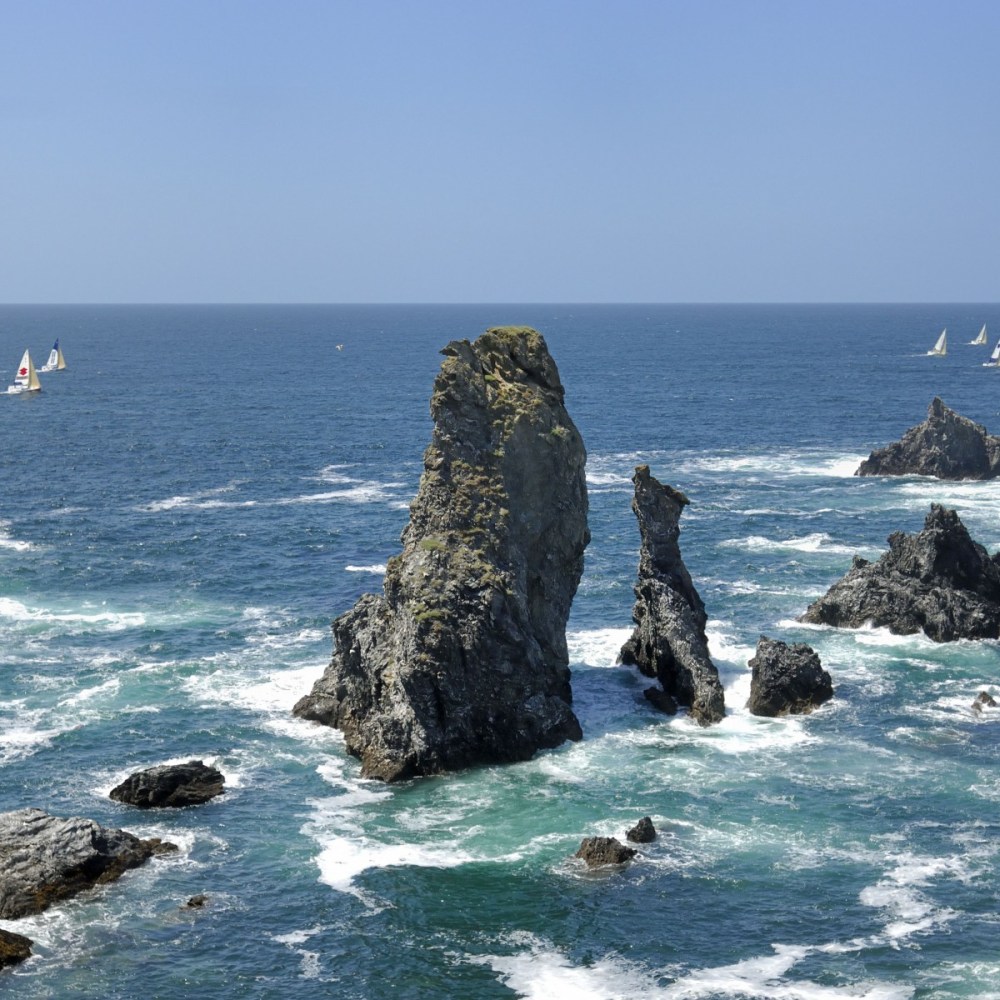
Brittany juts out into the Atlantic ocean on the western coast of France. It ranges from the northwest coast simply outside Mont-St-Michel in Normandy, among the fantastic abbeys of France, along the coast of the Golfe of Saint-Malo, passing St-Malo, Dinard, and St-Brieuc then past the Granite Coast to Brest. From this big outcrop, Brittany goes south to Quimper, then east past Concarneau, Lorient, and Vannes and fulfills the Loire-Atlantique area at La Roche-Bernard prior to the Regional Park of Brière.
Truths About Brittany
- The terrific marine city of Nantes was as soon as in Brittany however in 1941 entered into Pays-de-la-Loire and the capital of the area and of Loire-Atlantique, something which has actually exasperated the Bretons since.
- Brittany has more than 2800 km (1,740 miles) of shoreline
- Brittany produces over 80% of France’s shellfish
- There are 4 departments: Côtes d’Amour (22) in the north, Finistère (29) in the far west, Morbihan (56) in the south and Ille et Vilaine (35) in the east.
- Rennes is the capital of Brittany.
- The Celts showed up in Brittany in the sixth century
- The innovator of the St Lawrence River and the efficient creator of Canada, Jacques Cartier, was a Breton from St. Malo
- The creator of the stethoscope, René Laënnec, was born in Quimper. He offered the name ‘cirrhosis’
- The very first transatlantic transmission by satellite of a TELEVISION program originates from the station at Pleumeur-Bodou
- In 1978 the supertanker Amoco Cadiz ran aground off the northwest coast of Brittany, leading to a big oil spill that impacted much of that shoreline.
- In 2002 Rennes ended up being the tiniest city on the world to develop a train system
Short History
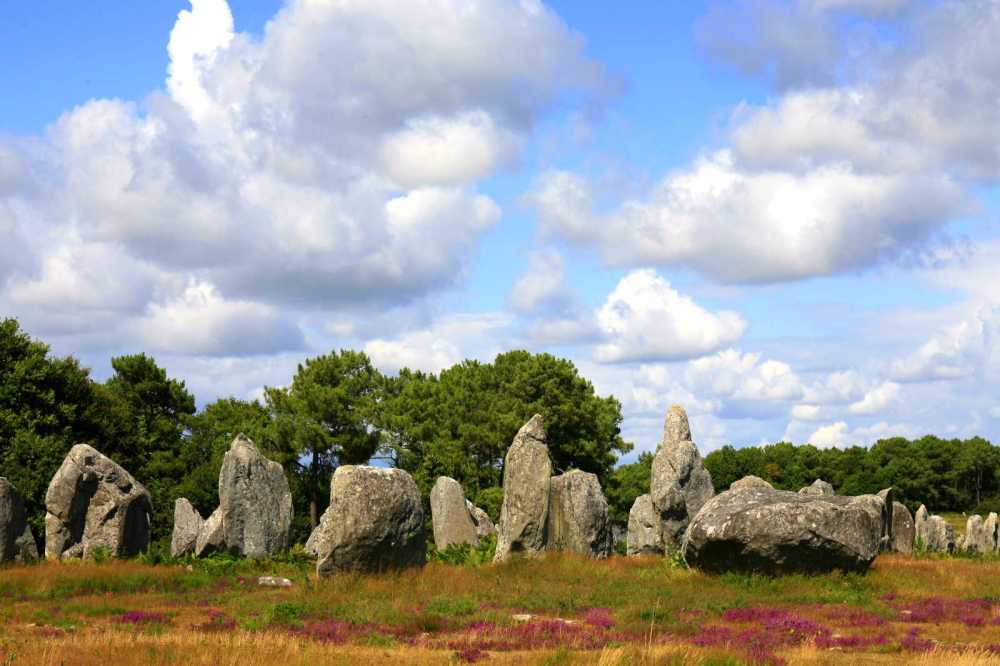
Brittany had a megalith culture most likely as early as 6,000 BC prior to the Celts showed up in the sixth century BC. In 56 BC Caesar got here to dominate the nation, and the Romans remained for 4 centuries prior to the collapse of the Roman Empire. In 460 Celts got here from Britain, eliminated by the Anglos and Saxons. From the 8th century when Charlemagne took control of Brittany, there were the normal wars and obligation modifications, with Brittany staying independent and mainly bold.
Brittany was just unified in 851 under the ruler of Brittany, Erispoë, and it wasn’t up until 1532 that Brittany entered into France.
Brittany’s golden era remained in the 17th and 16th centuries like much of France. When significant ports were either constructed or remodelled at St-Malo, Brest, and Lorient with the growth of the French navy, this was the time. It was from Brittany that the French cruised to the New World of Canada and the West Indies.
Nantes, then part of Brittany, played a substantial part in the development of the area’s wealth, sustained by the Atlantic servant trade.
The 18th century and the lead-up to the Reign of terror were marked by condition and department in between those who supported the monarchy and those versus. In 1789 Brittany was divided into 5 departments: Côtes du Nord, Finistère, Ille-et-Vilaine, Loire-Atlantique (later on moved), and Morbihan.
Brittany had actually blended fortunes in the 19th century when the industrialization of France and the mechanization of farming drove numerous Bretons out of the area to the cities for work.
In the mid 20th century the concept of restoring the Breton language and keeping the culture alive ended up being a genuine concern, partially as an outcome of The second world war which brought specific damage to Brest, Lorient, and St-Nazaire. The elimination of Nantes from Brittany to Pays-de-la-Loire was likewise a big financial and symbolic blow to the area.
Today, Brittany is flourishing, with tourist playing a big part. The coast has actually turned into one of the preferred locations for the Numerous and french Europeans to vacation. Farming is extremely crucial, and with fishing represent 10% of the nationwide production of France.
Shoreline and Coastal Towns
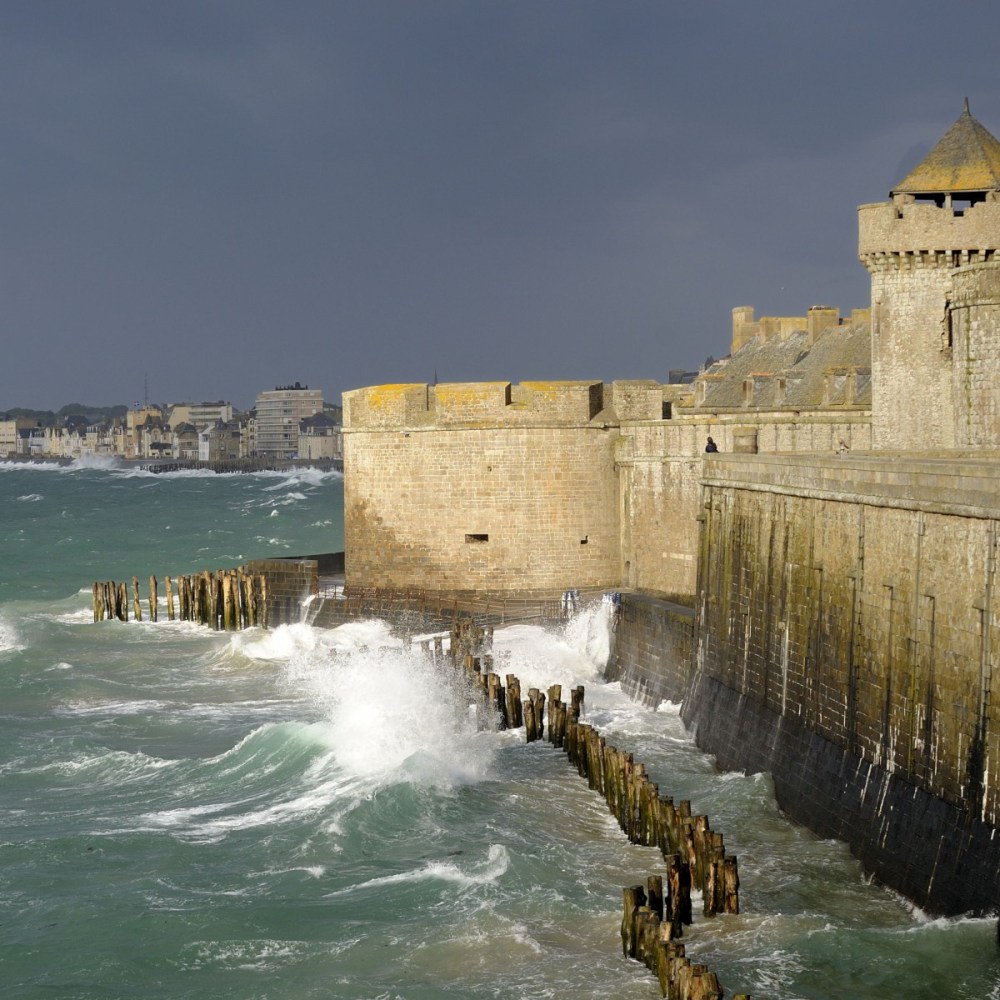
The wonderful and profoundly differed coast is among the primary factors individuals pertain to Brittany.
North Coast
The north coast has actually exposed Atlantic beaches and natural harbors. To the east, simply in Normandy however marking the border, stands the splendid Mont-St-Michel. Simply 15 km (9.5 miles) away you’ll concern the lovely harbor town of Cancale. This is the location for fresh oysters which you can purchase from stalls on the quayside.
St-Malo is justly well-known. Initially a prepared island managing the estuary of the river Rance and the ocean blue, today it’s a remarkable walled city and a needs to on a Brittany holiday. It has an old castle of patched narrow streets with ramparts to stroll along and excellent beaches.
This part of the coast is loaded with excellent towns, and Dinard ought to be next on your list. This wise resort is an excellent preferred with all you get out of a casina to regattas. It is likewise connected with Picasso who remained here frequently in the 1920s, utilizing the beaches for photos like Deux Femmes Courant sur la Plage. A somewhat more ominous connection is with Alfred Hitchcock who obviously based Bate’s home in Psycho on among the rental properties here. There’s a statue of the popular director and a yearly English language movie celebration.
Drive along the coast roadway following the Pink Granite Coast for remote towns and incredible views. If you’re a walker, require to the Sentier des Douaniers, an outstanding seaside walk from Trestraou beach in Perros-Guirec to Ploumara’ ch beach. It follows the path utilized by customizeds officers searching smugglers along the clifftop.
West Coast
Finistère juts out into the lathering waters of the Atlantic. The marine town of Brest, house of France’s Atlantic Fleet, was damaged throughout The second world war by Allied battle to avoid the Germans from taking it over as a submarine base. If you’re here with the household, go to the Château and Océanopolis, a complex of destinations and fish tanks.
More fulfilling, especially for bicyclists and walkers, is the Crozon Peninsula to the south. Do not miss out on the wonderful port of Camaret, with old streets, beaches, and a genuine feel of Breton life.
Southwest Finistère has Douarnenez, crucial to the sardine fishing market with the entire of the old Port-Rhû now the Port-Musée filled with vessels to check out.
South Coast
This is lovely, with Quimper still measuring up to the description by the 19th-century author Flaubert of ‘this lovely little location’. It has coffee shops and bars to stick around in, museums, a cathedral, and some fantastic yearly celebrations.
Concarneau may be the 3rd crucial fishing port in France however it’s likewise a magnet for visitors with a walled middle ages town on a rocky island, an excellent Friday market, fishing museum, and Breton celebrations.
Paul Gauguin pertained to paint in Pont-Aven simply inland from the Aven estuary, establishing the essential Pont-Aven school of painters. You can see their operate in the just recently refurbished Museum of Pont-Aven.
If you’re on a seaside vacation, take the opportunity to head out to a few of the lots of islands dotted around the Brittany coast. They’re sensational.
Significant Cities and Captivating Towns
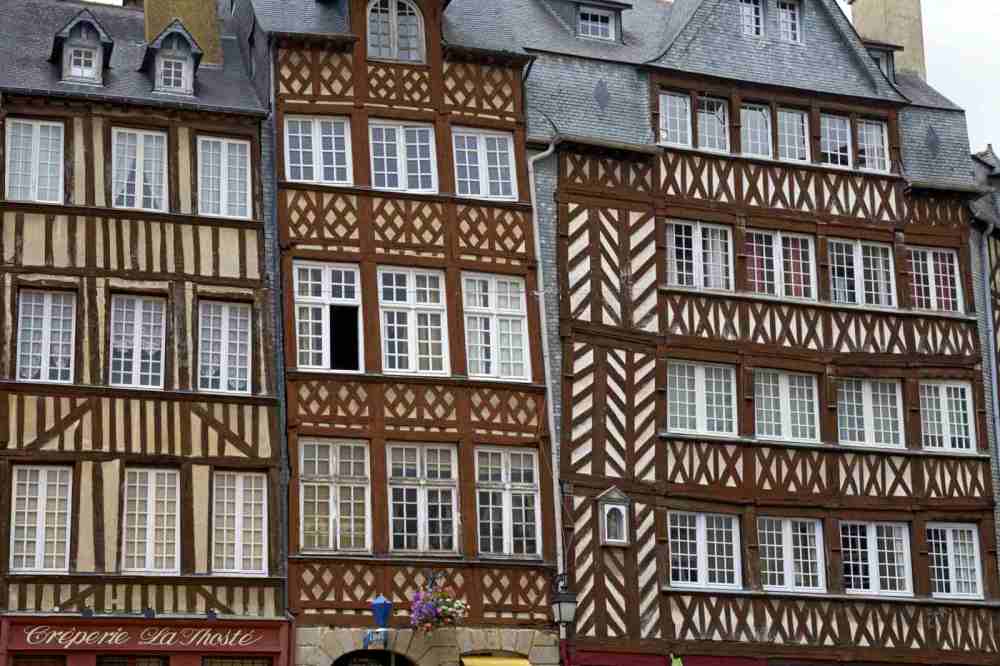
Rennes has actually been the capital of Brittany considering that 1532 so has numerous historical structures. The middle ages quarter of Les Lices, with parts left from a devastating fire in 1720, is a fortunate survivor and well worth a walk around. The location des Lices when called to the noises of knights jousting on horseback; now it bustles on Saturday early mornings when among France’s biggest street markets fills the 2 market halls. The middle ages homes here were integrated in the late 17th century however look the part. Endeavor into the streets behind the location and you’ll stumble upon the authentic post.
Dinan is an impossibly quite picture-postcard town. Its walled castle is complete and incredibly undamaged of old streets. Get here by boat up the river Rance for the very best views of the town. You leave at the port listed below the 13th-century ramparts and the walk up provides you a really genuine feel of the Middle Ages.
Lorient on the south coast has its own natural harbor safeguarded from the sea by the Ile de Groix. Terribly harmed in The second world war, it’s not a traveler location. When a fantastic Breton port,
Morlaix on the north coast was. Today it has a port filled with luxury yachts, an old center with patched streets, and great views.
Vannes, the significant traveler town of south Brittany has an old quarter, got in initially through an old entrance. Patched streets inside the walls around the cathedral have half-timbered homes; Location Henri-IV is charming. Stroll the ramparts for the views.
Emphasizes
Carnac is the most crucial ancient website in Europe with around 2000 menhirs extending over 2.8 miles. It precedes all the other excellent European websites of Stonehenge, the Pyramids, and Egypt’s Karnac temples.
Fougères in northeast Brittany is well-known for its spectacular, big middle ages castle. It’s on 2 levels and is an outstanding sight with a water-filled moat, excellent towers, the primary keep and a lot of display screens on the history of the castle and town to keep you inhabited.
A journey out to the beautiful islands surrounding the Brittany coast is a must.
Celebrations in Brittany
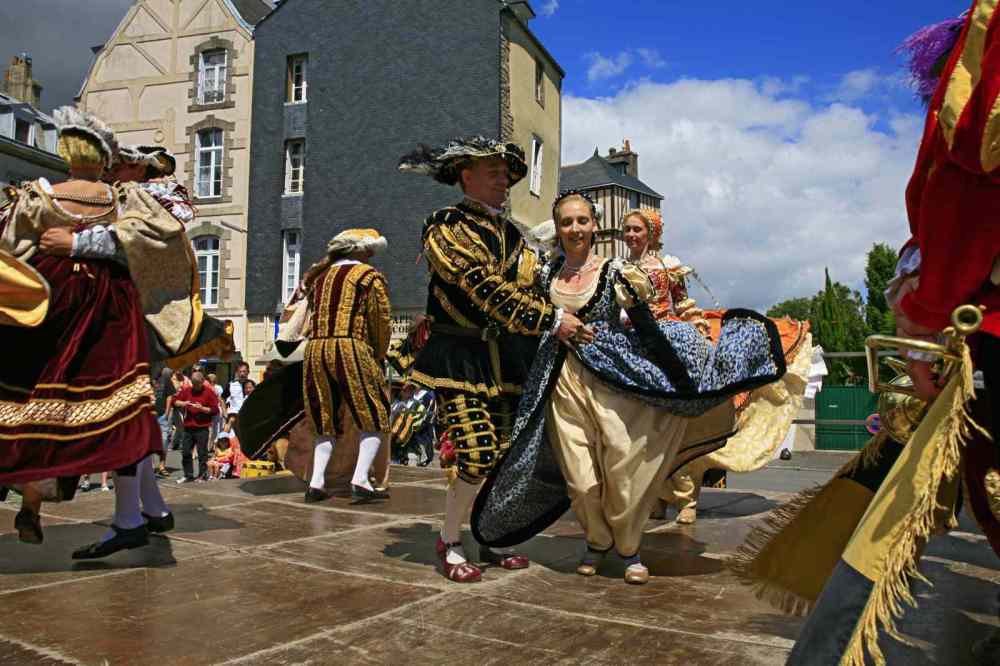
Rennes commemorates with the distinct Les Tombées de la Nuit (Nightfall) in July. Street art and efficiency in some extremely uncommon locations.
Quimper uses the Celebration La Cournouaille, established in 1923. It happens in July and once again takes Breton culture in all its types as motivation.
Every 2 years, Douarnenez fills with numerous conventional cruising ships from around the globe at the Temps Fete Celebration.
The Interceltic Celebration of Lorient is the huge daddy of Celtic celebrations, with around 200 programs and occasions, 5,000 entertainers and 700,000 viewers from all over the world.
Food
Brittany is understood for its seafood and produces the huge bulk of shellfish consumed throughout France. Little surprise then that you can not pertain to Brittany without consuming their oysters which appear all over; you’ll be impressed at the distinctions (and especially attempt the in Cancale). In dining establishments, choose the groaning plates of lobster, clams, cockles, mussels, crabs, oysters, and scallops.
Soupe de poissons (fish soup) is another must, featuring garlicky mayo, grated cheese, and croutons.
Attempt the regional fish stew of sole, turbot, and shellfish called cotriade.
And for desserts, there’s far Breton, a baked sponge, and custard with sliced plus. Iles flottantes are popular all over France: a soft meringue drifting in crème anglaise which is an egg custard.
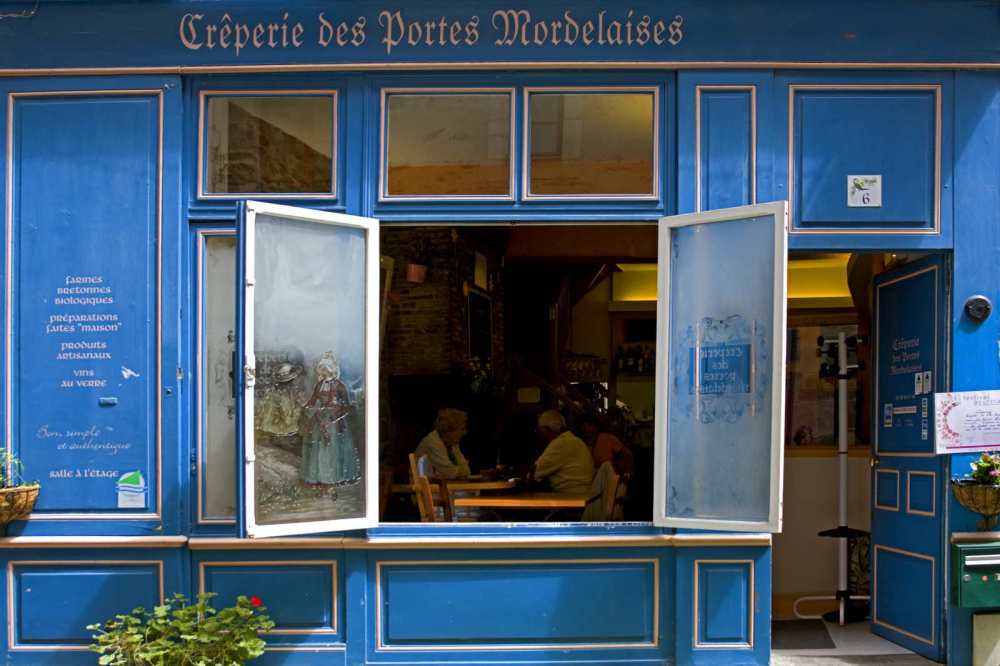
However the best-known function of Brittany food is the crêpe ( the sweet variation) and the galette (mouthwatering variation). The pancake is discovered all over, with fillings you would never ever believe might exist (and possibly a few of them must not). However they do make terrific treats!
 Travel Food Stream